
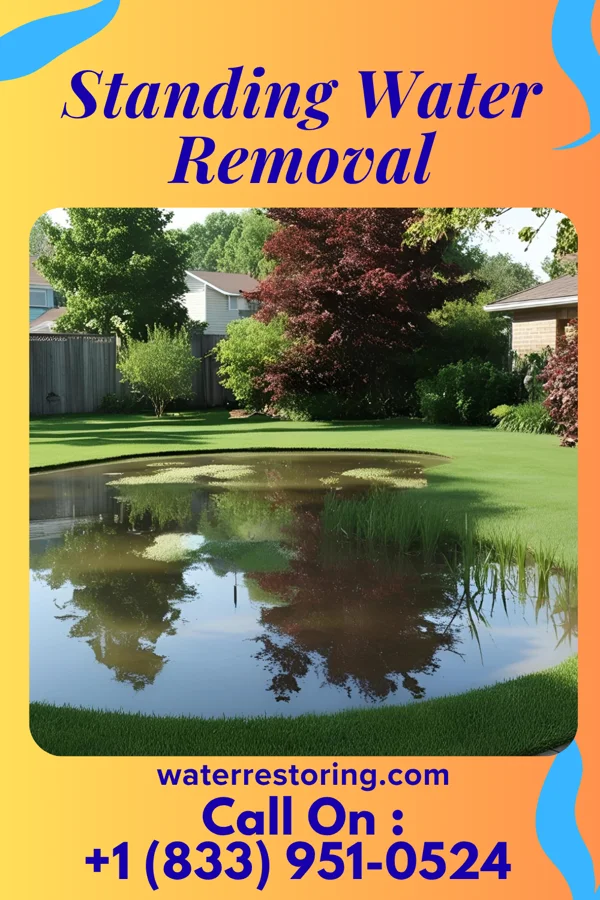
What Makes Monroeville Standing-Water-Prone
Living in Monroeville means dealing with In Monroeville, Indiana, the primary water damage cause is often related to plumbing leaks in older homes, particularly in the rural areas near Hoagland and New Haven. These leaks can occur in basements or crawl spaces due to aging pipes and poor drainage systems. Additionally, seasonal flooding from nearby streams or heavy rainfall can lead to significant water intrusion. sooner or later. A close second is Secondary causes include sewer backups, especially during heavy storms, and accidental spills from residential appliances like washing machines or water heaters. In the rural setting of Monroeville, agricultural runoff and irrigation systems can also contribute to water damage in nearby properties.. The good news: water damage is fully recoverable when you catch it fast and bring in certified technicians.
Monroeville experiences a humid continental climate with significant rainfall, particularly in the spring and early fall. This increases the risk of water damage from both sudden storms and prolonged periods of high humidity, which can lead to condensation and mold growth in homes.
Most standing water removal calls in Monroeville come from In Monroeville, Indiana, the primary water damage cause is often related to plumbing leaks in older homes, particularly in the rural areas near Hoagland and New Haven. These leaks can occur in basements or crawl spaces due to aging pipes and poor drainage systems. Additionally, seasonal flooding from nearby streams or heavy rainfall can lead to significant water intrusion.. Running a close second is Secondary causes include sewer backups, especially during heavy storms, and accidental spills from residential appliances like washing machines or water heaters. In the rural setting of Monroeville, agricultural runoff and irrigation systems can also contribute to water damage in nearby properties.. Local mold risk: In Monroeville, the risk of mold growth is heightened due to the region's humidity and frequent rainfall. Mold can develop within 48 hours of water exposure, making rapid response critical to prevent health hazards and structural damage.